Understanding Basketball Fouls: The Rules That Shape the Game
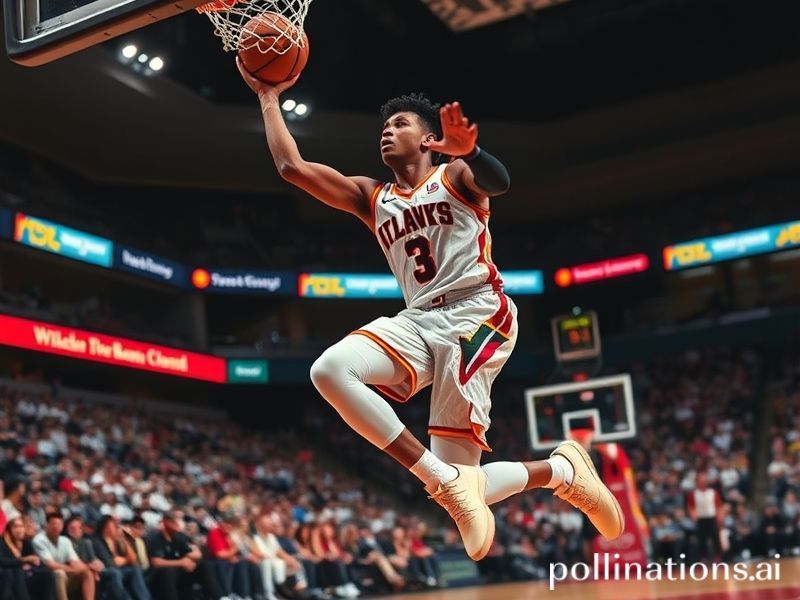
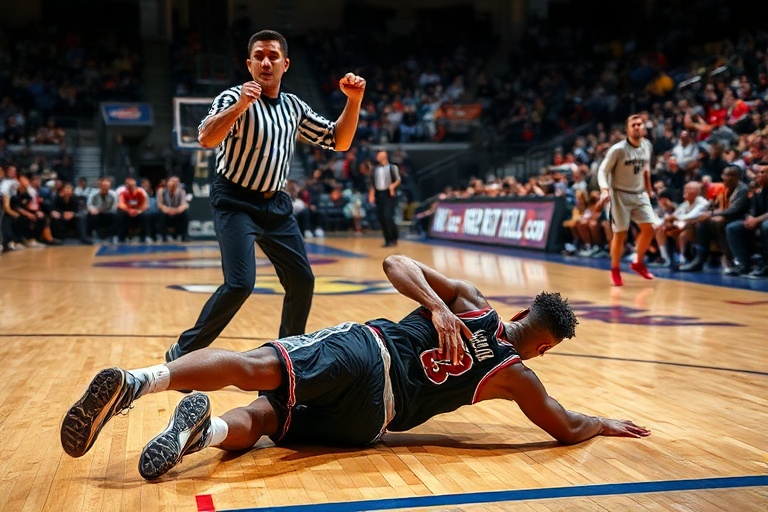
The whistle blows. The crowd groans or cheers. A foul has been called, and the momentum of the game shifts. Basketball fouls are more than just stoppages—they influence strategy, player behavior, and even the outcome of matches. Whether it’s a hard foul in the paint, a reach-in slap on a dribbler, or a flagrant push that sends a player to the free-throw line, fouls are an intrinsic part of the sport’s rhythm and discipline.
But what exactly constitutes a foul in basketball? How do officials determine intent, severity, and consequence? And how have the rules evolved to balance physicality with fairness? This breakdown explores the types of fouls, their strategic implications, and the human element behind the calls that define games.
The Anatomy of a Foul: Types and Definitions
Basketball fouls fall into several distinct categories, each with specific triggers and outcomes. The most common are personal fouls, which include illegal physical contact such as pushing, holding, or blocking with the body. These are called when a defender impedes an offensive player’s movement or when an offensive player initiates contact. A player is disqualified after six personal fouls in most leagues, including the NBA.
Another key type is the offensive foul. While less frequent in public discourse, these occur when the ball handler initiates illegal contact—often by charging into a defender who has established a legal defensive position. Offensive fouls are pivotal because they result in a turnover, often ending a fast break or key possession.
Defensive fouls can be further divided into blocking fouls and charging fouls. A blocking foul is called when a defender fails to establish a legal guarding position before contact. A charging foul—commonly seen when a driver collides with a stationary defender—requires the offensive player to have a clear path and established position.
The league also recognizes flagrant fouls, which involve violent or dangerous contact that could injure a player. These result in free throws and immediate ejection. In the NBA, referees use a two-tier system: Flagrant Foul 1 (FF1) leads to free throws and possession, while Flagrant Foul 2 (FF2) mandates ejection.
Why Fouls Matter: Strategy, Momentum, and Psychology
Fouls aren’t just penalties—they’re tools. Coaches and players use them tactically. A well-timed foul can stop the clock, disrupt an opponent’s rhythm, or prevent an easy layup. This is especially true in the final minutes of a close game, where the “foul to put the opponent at the line” strategy is employed to shorten the game and force turnovers.
However, fouling comes with risk. Players who accumulate fouls early may be benched, limiting a team’s defensive flexibility. Conversely, a team that avoids foul trouble can apply relentless pressure, forcing opponents into rushed shots or turnovers. This strategic tug-of-war is visible in playoff basketball, where coaches walk a tightrope between aggression and discipline.
There’s also a psychological dimension. Players known for drawing fouls—often called “hack-a-Shaq” tactics—exploit opponents’ frustration. A defender frustrated by repeated fouls may overreact, leading to more calls. This psychological chess match adds layers to the game beyond athleticism and skill.
In youth and amateur leagues, fouls often reflect fundamentals. Players still developing spatial awareness or defensive positioning may commit more fouls, highlighting the importance of coaching in shaping foul behavior early on.
Controversy and Technology: The Evolution of Foul Calling
Basketball fouls have long been a source of debate. Was it a clean block or a reach-in foul? Did the defender have position? These questions have fueled arguments from playgrounds to broadcast studios. The rise of video review has brought some clarity. The NBA’s Replay Center allows officials to examine close calls, particularly flagrant fouls and out-of-bounds plays, ensuring consistency in high-stakes moments.
Despite technology, human judgment remains central. Referees must interpret intent, balance competitive fire with safety, and do so in real time. This subjectivity leads to inconsistency, especially across leagues and referees. The NBA’s emphasis on “protecting the rim” in recent years has led to more foul calls on drives, sparking criticism that the game has become “whistle-happy.”
Technology is also influencing training. Tools like wearable sensors and video analysis help players understand their movement patterns and reduce foul-prone behaviors. Coaches now use data to identify players prone to fouling and design drills that emphasize proper footwork and positioning.
This evolution reflects a broader trend in sports: balancing tradition with innovation. While fans may still argue about “home-court advantage” in officiating, the integration of data and replay is reshaping how fouls are perceived and policed.
Common Misconceptions and How to Spot Them
Several myths persist around basketball fouls. One is that “reaching always draws a foul.” In reality, officials are instructed to look for contact initiated by the defender. A swipe at the ball without making contact should not be called. This nuance separates routine plays from fouls.
Another misconception is that “the bigger the player, the more fouls they draw.” While physical players like centers often draw contact, they’re also more likely to commit fouls themselves due to their positioning in the paint. Guards, meanwhile, often draw fouls on drives, but these are frequently offensive fouls if they initiate contact.
Fans also confuse goaltending—interfering with a shot on its downward path—with a foul. Goaltending results in the basket being counted regardless of contact, and it’s often called too late, leading to confusion. Clear communication from referees can help avoid these misunderstandings.
Understanding these distinctions can transform how fans watch the game. Instead of reacting emotionally to a whistle, they can assess whether the call was justified—a skill that elevates appreciation for the sport.
Conclusion: Fouls as Part of the Game’s Fabric
Basketball fouls are not flaws in the game; they are features. They enforce rules, encourage skillful play, and add drama to every possession. From the intentional fouls of crunch time to the disputed reach-ins in transition, fouls shape strategy, test mental toughness, and sometimes decide championships.
As the game continues to evolve, so too will how fouls are called, reviewed, and understood. But one thing remains constant: the balance between physicality and fairness will always define basketball at its core. Whether you’re a player, coach, or fan, respecting the whistle is part of respecting the game itself.
For more insights into basketball rules and officiating, explore our Sports and Analysis sections for in-depth breakdowns and expert commentary.