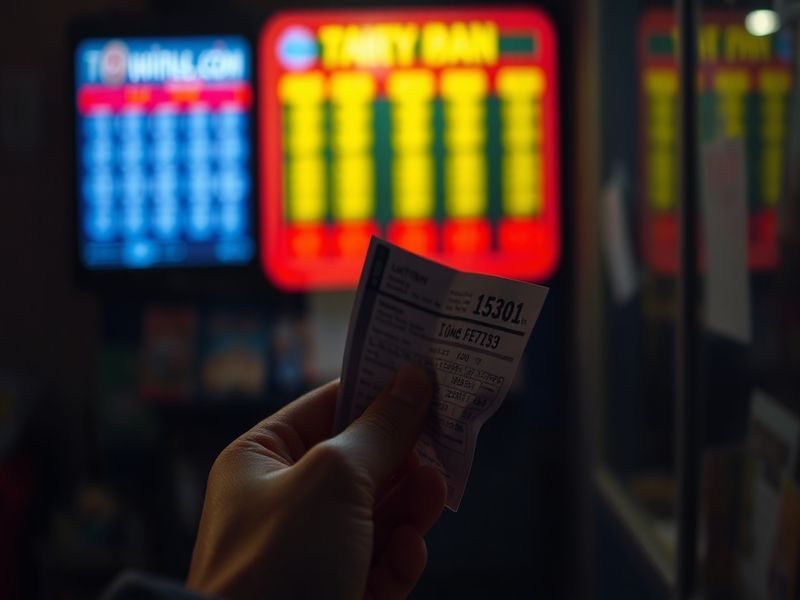
Lottery results shape dreams, fortunes, and communities. Every draw offers a fresh chance for players to transform their lives with a single ticket. Behind the excitement of winning numbers lies a carefully structured process of selection, verification, and distribution. Understanding how lottery results are determined reveals the blend of chance, technology, and regulation that governs these games.
How Lottery Numbers Are Generated
Modern lotteries rely on secure, randomized systems to ensure fairness. Most jurisdictions use electronic random number generators (RNGs) certified by independent auditors. These systems replace older mechanical methods like ball machines or drawing wheels, which were prone to mechanical failure or manipulation. For example, the Powerball and Mega Millions games in the United States use RNG-powered drawing machines with multiple ball sets to guarantee randomness.
Each lottery draw follows a strict protocol. Before the draw, machines are inspected and sealed. A live broadcast or public event often accompanies the drawing to build trust. The numbers are drawn one by one, and the sequence is recorded immediately. In some countries, such as the UK, lotteries like Lotto use air-blown ball machines that ensure each ball has an equal chance of being selected.
Transparency is critical. Many lotteries publish the draw results online within minutes, along with video footage of the drawing process. This openness helps maintain public confidence in the integrity of the game. Lotteries also undergo regular audits by third-party firms to confirm that the drawing process remains fair and unbiased.
Where to Find Official Lottery Results
For players, accessing accurate and up-to-date lottery results is essential. The fastest and most reliable sources are official lottery websites. In the U.S., the News section often links to state lottery portals where players can view winning numbers, check jackpot amounts, and verify prizes. Popular games like Powerball and Mega Millions have dedicated pages on lottery commission websites that update immediately after each drawing.
Mobile apps and third-party platforms also provide lottery results, but players should verify information before claiming prizes. Sites like Dave’s Locker aggregate results from official sources to offer quick access. These platforms often include historical data, making it easy to track past draws and analyze trends—though it’s important to remember that past results do not influence future outcomes.
Retailers play a key role in the results ecosystem. Many ticket vendors display winning numbers on digital screens or printouts. Players should cross-check results with official sources, especially for large prizes, to avoid misinformation or scams. Some lotteries even offer SMS notifications when a purchased ticket matches winning numbers, adding an extra layer of convenience.
What Happens After a Lottery Draw?
Winning a lottery is just the beginning of a process that involves verification, tax implications, and public disclosure. Winners must validate their tickets by signing the back and presenting it to lottery officials or an authorized retailer. The process varies by jurisdiction: in some states, winners can claim prizes anonymously, while others require public disclosure of the winner’s name, city, and prize amount.
Taxes are a major consideration. In the U.S., federal taxes apply to all lottery winnings over $5,000, and state taxes vary widely. For instance, a $1 billion Powerball jackpot winner in California might take home significantly less than one in Texas due to differences in state tax rates. Financial advisors often recommend setting up trusts or installment payments to manage tax burdens and preserve wealth.
After claiming a prize, winners face a mix of media attention and personal decisions. Some choose to remain anonymous, while others become public figures. The sudden influx of wealth can strain personal relationships and lead to financial mismanagement. Many lottery commissions partner with financial literacy programs to educate winners on budgeting, investing, and avoiding common pitfalls.
Common Misconceptions About Lottery Results
Several myths persist about how lottery results work. One persistent belief is that certain numbers are “hot” or “due” after not being drawn for a while. Statistically, each draw is independent, and past results do not influence future outcomes. The odds of winning remain constant regardless of whether a number hasn’t appeared in months.
Another misconception involves the role of luck versus skill. While buying more tickets increases the chances of winning, there is no strategy that can guarantee a prize. Some players attempt to “game the system” by selecting numbers based on birthdays or patterns, but these choices do not improve odds. Lotteries are designed to be games of pure chance, and no amount of analysis can change that.
There’s also a belief that lottery winnings are tax-free. In reality, most countries tax lottery prizes as income. Players in the UK, for example, do not pay tax on National Lottery winnings, but U.S. players face federal and state taxes that can reduce a jackpot by up to 50%. Understanding tax obligations before claiming a prize is crucial to avoid surprises.
Finally, many assume that lottery winners are required to spend their winnings immediately. While some do, financial advisors often recommend a waiting period to process the win emotionally and financially. Taking time to plan can prevent impulsive decisions that lead to financial ruin.
Tips for Responsible Lottery Play
Lotteries are entertaining, but responsible play is essential. Players should set a budget and stick to it, treating the lottery as a form of entertainment rather than an investment. Avoid chasing losses or borrowing money to buy tickets. It’s also wise to keep purchases private and avoid sharing ticket information publicly, especially on social media.
For those who win, seeking professional financial advice is a smart move. Planners can help structure winnings to last a lifetime, recommend investments, and minimize tax liabilities. Many lotteries offer free consultations with financial experts to assist winners in managing their newfound wealth responsibly.
Lastly, remember that the odds of winning a major lottery jackpot are astronomically low—often around 1 in 300 million. Playing for fun, with no expectation of winning, keeps the experience enjoyable and stress-free. The real reward is the thrill of the draw, not the prize.