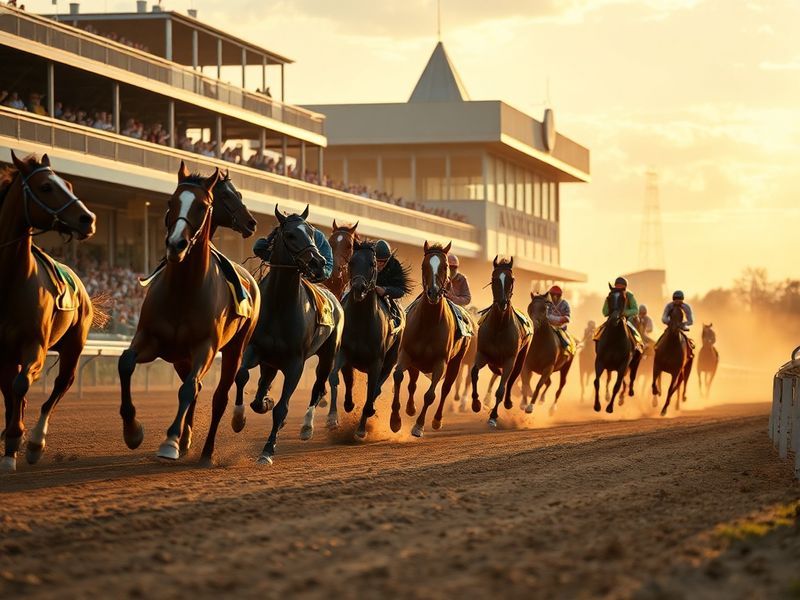
The Historical Roots of Horse Racing
Horse racing is one of the oldest organized sports in the world, with origins tracing back to ancient civilizations. Archaeological evidence suggests that chariot races were held in the Olympic Games as early as 680 BCE, while mounted horse races were documented in ancient Greece, Rome, and Byzantium. These early competitions often served as military training exercises, preparing riders for battle while also providing entertainment for spectators.
The sport evolved significantly during the Middle Ages, particularly in Europe. Knights and nobility frequently organized races to showcase their horses’ speed and stamina. The establishment of formal racecourses in England during the 17th and 18th centuries marked a turning point, leading to the development of Thoroughbred breeding programs. The sport’s modern structure began to take shape with the creation of the Jockey Club in 1750, which standardized rules and regulations that still influence racing today.
Today, horse racing retains elements of its rich history while adapting to contemporary culture. Major events like the Kentucky Derby and Royal Ascot draw millions of viewers, blending tradition with modern spectacle. The sport’s longevity speaks to its universal appeal, transcending generations and geographical boundaries.
A Timeline of Key Moments in Horse Racing History
- 680 BCE: Chariot racing debuts in the ancient Olympic Games.
- 12th Century: Knights in England and France begin racing horses for sport and training.
- 1750: The Jockey Club is founded in England, establishing early racing standards.
- 1875: The Kentucky Derby holds its first race, becoming a cornerstone of American racing.
- 1986: The first Breeders’ Cup World Championships is held, revolutionizing international racing.
The Modern Horse Racing Landscape
In the 21st century, horse racing exists as a global industry worth billions of dollars. The sport encompasses multiple disciplines, including flat racing, steeplechasing, harness racing, and quarter horse racing. Each discipline appeals to different audiences, from the high-stakes glamour of the Triple Crown to the endurance-focused world of steeplechasing.
Technological advancements have transformed how races are run and experienced. High-speed cameras capture photo finishes with precision, while advanced veterinary techniques extend the careers of racehorses. Data analytics now play a crucial role in training regimens and race strategies, giving trainers and jockeys a competitive edge. Meanwhile, simulcasting and online betting platforms have made the sport more accessible to a wider audience.
The global reach of horse racing is evident in its major events. The Dubai World Cup offers a staggering purse of $12 million, attracting top horses from around the world. In Europe, the Prix de l’Arc de Triomphe and the Epsom Derby remain prestigious fixtures on the racing calendar. Australia’s Melbourne Cup has earned the nickname “the race that stops a nation,” reflecting its cultural significance.
Major Racing Events Around the World
- Kentucky Derby (USA): The most famous race in American horse racing, held annually on the first Saturday in May.
- Royal Ascot (UK): A five-day event steeped in royal tradition, featuring some of the most elite races in the world.
- Melbourne Cup (Australia): A 3,200-meter race known for its festive atmosphere and massive prize money.
- Dubai World Cup (UAE): A night of racing under the lights, offering one of the richest purses in the sport.
- Prix de l’Arc de Triomphe (France): Europe’s most prestigious all-age race, held at Longchamp Racecourse.
Ethical Considerations and Industry Challenges
Despite its popularity, horse racing faces growing scrutiny over ethical concerns. The high incidence of injuries and fatalities on the track has led to calls for stricter regulations. Advocacy groups such as the Humane Society of the United States and PETA argue that the sport prioritizes profit over animal welfare. In response, some tracks have implemented safety measures like padded starting gates and veterinary checkpoints.
Another pressing issue is the treatment of retired racehorses. While organizations like the Thoroughbred Aftercare Alliance work to rehome and retrain retired horses, the demand for adoption often falls short of the supply. The rise of social media has amplified public awareness of these issues, with viral videos and investigative reports sparking debates about the sport’s future.
The industry is at a crossroads, balancing tradition with the need for reform. Some tracks have adopted stricter medication rules, while others are exploring innovative approaches like synthetic tracks to reduce injuries. The question remains whether these changes will be enough to address mounting criticism and ensure the sport’s long-term viability.
The Future of Horse Racing: Innovation and Adaptation
The future of horse racing may hinge on its ability to embrace change. Virtual reality (VR) and augmented reality (AR) are beginning to play a role in fan engagement, offering immersive experiences for those unable to attend races in person. Meanwhile, artificial intelligence is being used to analyze race data and predict outcomes, potentially reshaping how races are handicapped and wagered on.
Sustainability is another growing focus. Some tracks are adopting eco-friendly practices, such as solar-powered facilities and water conservation programs. The push for greener operations reflects broader societal trends, as well as a recognition that the sport must adapt to remain relevant in an environmentally conscious world.
Yet, the core of horse racing remains unchanged: the bond between horse and rider. As technology and tradition collide, the sport’s future will depend on its ability to preserve what makes it unique while addressing legitimate concerns. Whether through reform or innovation, horse racing must evolve to thrive in the decades to come.
For fans looking to dive deeper into the world of horse racing, Dave’s Locker Sports section offers comprehensive coverage of major races, industry trends, and behind-the-scenes insights. Additionally, Dave’s Locker Entertainment explores the cultural impact of horse racing, from its portrayal in films to its influence on fashion and lifestyle.
Conclusion: A Sport at the Crossroads
Horse racing stands at a pivotal moment in its history. With a legacy spanning millennia, it remains a symbol of speed, elegance, and competition. Yet, the sport must confront ethical challenges and adapt to a rapidly changing world. The decisions made today will shape its future, determining whether horse racing continues to captivate audiences or fades into obscurity.
For enthusiasts and newcomers alike, the story of horse racing is far from over. It is a narrative of tradition and transformation, where the past and future collide on the racetrack. As the sport evolves, its core essence—honoring the partnership between horse and human—will remain its greatest strength.