Concerts: The Pulse of Live Music Culture Explained
Few experiences rival the energy of a live concert. From the first note to the final encore, concerts transform music into a shared emotional journey. They create moments that linger far longer than the event itself, binding strangers through the universal language of rhythm and melody.
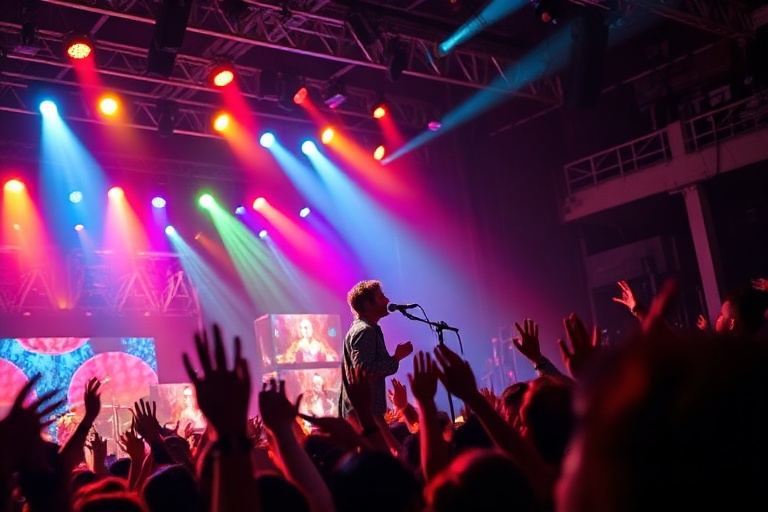
Unlike recorded music, concerts offer something intangible: the raw electricity of a performer feeding off the crowd’s energy, the visual spectacle of lighting and staging, and the communal joy of singing along with thousands of voices. This alchemy of sound and spectacle has made concerts a cornerstone of modern entertainment.
The Evolution of Concerts: From Small Venues to Stadium Spectacles
Concerts have evolved dramatically over the centuries. In the 17th and 18th centuries, classical concerts were exclusive affairs held in aristocratic salons or royal courts. These events were as much about social status as they were about music, with audiences often dressed in their finest attire.
By the 19th century, public concerts became more accessible. Orchestras and opera companies began performing in dedicated venues like concert halls and opera houses. The rise of popular music in the 20th century further democratized the experience, with jazz clubs, rock venues, and later, large-scale festivals drawing diverse crowds.
Today, concerts range from intimate gatherings in basement clubs to massive stadium tours that span continents. Artists like Taylor Swift and Beyoncé regularly sell out arenas and stadiums, filling them with tens of thousands of fans. These events are meticulously planned productions, often featuring elaborate sets, pyrotechnics, and cutting-edge visuals.
The shift toward stadium-scale concerts reflects broader changes in the music industry. With streaming services reducing revenue from album sales, live performances have become the primary income source for many artists. This financial reality has driven a relentless push toward ever-larger and more elaborate shows.
What Makes a Great Concert Experience?
A great concert is more than just a performance—it’s an immersive experience that engages all the senses. The best concerts leave audiences feeling transformed, as if they’ve been part of something extraordinary. Several key elements contribute to this magic:
- Sound Quality: Crystal-clear audio is non-negotiable. Poor sound can ruin even the most spectacular performance. Venues invest heavily in state-of-the-art sound systems to ensure every note is heard.
- Artist Connection: The chemistry between performer and audience is electric. Artists who interact with fans, share personal stories, or invite singalongs create memories that last a lifetime.
- Production Value: Lighting, staging, and special effects elevate a concert from a simple performance to a full-scale production. Think Pink’s jaw-dropping acrobatics or U2’s iconic claw-shaped stage.
- Crowd Energy: The audience’s enthusiasm feeds the performance. A packed venue buzzing with energy can elevate even a mediocre set into something unforgettable.
- Accessibility: Venues that prioritize comfort, safety, and inclusivity ensure everyone can enjoy the show. This includes wheelchair accessibility, clear signage, and reasonable ticket prices.
Of course, not every concert hits the mark. Technical difficulties, overpriced merchandise, or poor crowd control can quickly turn a dream evening into a nightmare. That’s why choosing the right venue and artist is crucial for fans.
For those looking to dive deeper into the world of live music, Dave’s Locker’s music section offers curated recommendations for upcoming tours and must-see performances.
The Business of Concerts: Economics and Industry Trends
The live music industry is a multi-billion-dollar powerhouse, driven by consumer demand for experiences over possessions. According to Pollstar, the global concert industry generated over $11 billion in revenue in 2023, a record high. This growth is fueled by several trends:
- Ticket Price Inflation: The average price of a concert ticket has skyrocketed, with VIP packages often exceeding $1,000. Artists like Ed Sheeran and Coldplay have faced backlash for high prices, but demand remains strong.
- Dynamic Pricing: Like airline tickets, concert tickets now use dynamic pricing models. Prices fluctuate based on demand, meaning early birds pay less while last-minute buyers may face exorbitant costs.
- Secondary Market Dominance: Resale platforms like StubHub and SeatGeek have transformed the ticketing landscape. While they offer convenience, they’ve also fueled scalping and inflated prices.
- Sustainability Efforts: The industry is increasingly focused on sustainability. Festivals like Coachella and Glastonbury have implemented recycling programs, carbon offsets, and eco-friendly initiatives to reduce their environmental impact.
The economics of concerts are complex. Artists must balance ticket sales with touring costs, which include transportation, crew salaries, and venue fees. For promoters, the challenge is filling venues while ensuring profitability. This often leads to high-profile collaborations, such as the recent Coldplay and BTS tour, which guarantees massive ticket sales.
Another trend is the rise of “experience-based” concerts. Artists like Lady Gaga and Harry Styles have incorporated immersive elements like augmented reality, interactive light shows, and even virtual reality components into their live shows. These innovations aim to create a unique, shareable experience that stands out in a crowded market.
The Future of Concerts: Technology and Innovation
Technology is reshaping the concert experience in ways previously unimaginable. From holograms to drone light shows, the future of live music is being written today. Here are some of the most exciting developments:
- Holographic Performances: Artists like Tupac Shakur and Whitney Houston have been “resurrected” as holograms for tribute concerts. While controversial, hologram tours allow fans to experience legendary performers live.
- Virtual Concerts: The pandemic accelerated the adoption of virtual concerts, with platforms like Fortnite hosting in-game performances by Travis Scott and Ariana Grande. These events attracted millions of viewers worldwide.
- Augmented Reality: AR is enhancing live performances by overlaying digital effects onto the physical world. Imagine watching a concert where the stage transforms into a fantastical landscape in real time.
- Biometric Feedback: Some artists are experimenting with biometric sensors to gauge audience emotions. This data could be used to adjust lighting, music, or even setlists in real time.
Despite these innovations, challenges remain. The rise of AI-generated music and deepfake performances raises ethical questions about authenticity. Fans may soon face a world where they can attend a concert by a virtual artist who doesn’t exist—or worse, one created without consent.
Another concern is the homogenization of live experiences. As artists prioritize spectacle over substance, the risk of losing the raw, emotional connection of a live performance grows. The best concerts still balance innovation with authenticity, ensuring the music remains the star.
Why Concerts Matter in a Digital World
In an age dominated by streaming and social media, concerts offer something irreplaceable: a shared, unfiltered moment in time. They foster a sense of community that digital interactions can’t replicate. Whether it’s a local band playing a dive bar or a global superstar commanding a stadium, concerts remind us of music’s power to unite.
They also serve as cultural touchstones. Iconic concerts like Woodstock, Live Aid, and Coachella’s 25th anniversary have become legendary not just for the music, but for the movements they inspired. These events often reflect the social and political climate of their time, giving fans a way to connect with broader narratives.
For emerging artists, concerts are a proving ground. A well-received live performance can launch a career, while a poorly attended show can signal the end of the road. Venues like Dave’s Locker’s entertainment section highlight up-and-coming talent, offering a platform for new voices to be heard.
Ultimately, concerts are more than just entertainment—they’re a celebration of human creativity and connection. They challenge us to be present, to feel deeply, and to share in the joy of collective experience. As technology continues to evolve, the challenge will be preserving the essence of what makes concerts magical: the unscripted, unfiltered encounter between artist and audience.
Whether you’re a seasoned concertgoer or a first-time attendee, the thrill of live music is timeless. So next time you hear about a tour coming to your city, consider buying a ticket. You might just walk away with a memory that lasts a lifetime.